

Africa
Chad bans Niqab after ‘suicide bombings’

Chad has banned people from wearing the full-face veil, following two suicide bomb attacks on Monday. Chad’s government accused Nigerian militant Islamist group Boko Haram of the bombings which killed more than 20 people.

Kenya police accused of abuses against Muslims after massacre
Nairobi (AFP) - The response by Kenyan security forces to a wave of massacres a year ago in Kenya’s coastal region has been marked by beatings, arbitrary detentions and theft, human rights groups said Monday.

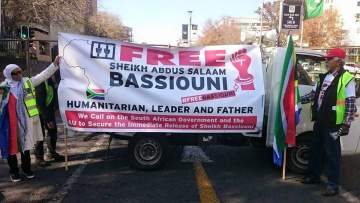
Free Sheikh Abdus Salaam Bassiouni, chants protesters
“We are all Bassiouni” were the chants reverberating through Sandton in Johannesburg on Friday afternoon, as community members and civil society activists called for the release of Egyptian South African alim Shaykh Abdus Salaam Bassiouni. Sandton in Johannesburg came alive with the #FreeBassiouni protest held outside the African Union Summit,

Congo-Brazzaville bans Islamic face veil in public places
The authorities in Congo-Brazzaville have banned people from wearing the full-face Islamic veil, including the niqab and the burka, in public places.

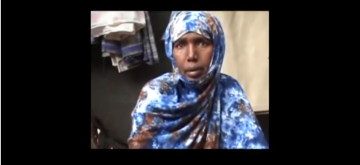
The Oppressed Muslims of Ethiopia
In this ITV episode of Face the Truth with Bilal Abdul Kareem we explore the untold stories of death and deprivation of Muslims in the Ogaden region of Ethiopia. While the world is busy justifiably blaming ISIS for their indiscriminate killing of Christians in Libya last week, we look past

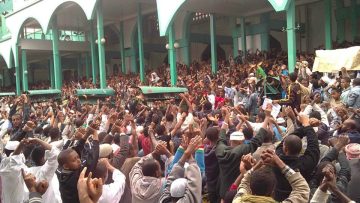
Muslims being forced to follow deviant sect in Ethiopia
The history of Islam is incomplete without mentioning Ethiopia. The African country is haven of the first migration or hijra when Muslims fled persecution and torture from the Quraishi tribe in Makkah.

CAR: “There’s not one single Muslim left in Bocaranga”
Djamilou from Central African Republic has been working as a logistician in Niger. Djamilou came to Paris between assignments in Africa for MSF. He told us his story. He spoke of the violence and the plight of his family scattered among three different countries after fleeing from Central Africa. His


Dr Abdul Rahman al-Sumait | Journey to Africa
Tracing the footsteps of Dr Abdul Rahman al-Sumait who spent the better part of 30 years working in Africa. The legacy of al-Sumait has touched the lives of millions on the continent and the institutions and initiatives he nurtured have given many children the opportunities denied to their parents -

